just switching, using, and figuring out what actually feels right
this wasn't planned as some kind of comparison or "review". it just happened naturally from boredom and habit. i would stick to one desktop for a while, something would start feeling off or too predictable, and i would switch. GNOME, KDE, back to GNOME again, then KDE again. no benchmarks, no deep testing mindset, just daily use. browser always open, coding, music playing, random config edits at night when everything feels more interesting than it should.
after enough cycles of this, you stop thinking in terms of features and start noticing how each one feels to actually live in.
GNOME hits you with silence. you boot into it and there's almost nothing there. no desktop icons, no visual noise, just a clean workspace and a top bar. at first it almost feels like something is missing. but then you realize it's intentional. it's not trying to show you everything, it's trying to reduce what you have to think about.
KDE feels the opposite. it feels familiar immediately, especially if you've ever used Windows for a long time. bottom panel, application menu, system tray, everything placed where you instinctively expect it. it gives a strong Windows 10 kind of vibe right away. but unlike Windows, once you start digging into settings, it opens up way more control than you'd expect from something that looks this familiar.
GNOME feels like it already decided the workflow for you. KDE feels like it's waiting for you to build your own.
after a few days of GNOME, your habits slowly change. the overview becomes the center of everything. at first it feels unnecessary, like an extra step just to switch apps or open something. but then muscle memory takes over. super key, type a few letters, press enter. you stop thinking about where things are and just recall them.
workspaces also feel more fluid here. you don't really manage them like folders. they just exist and you move through them depending on what you're doing. on a laptop, gestures make this even more natural. switching between apps and workspaces starts feeling less like an action and more like a motion.
what GNOME does really well is consistency. everything looks like it belongs in the same system. the UI language is unified, spacing feels intentional, and apps don't feel like they were designed by completely different teams.

the moment you want to step outside the default behavior, things get complicated. small changes that feel like they should be simple often require extensions. at first extensions feel like a bonus, but over time they become part of the system.
you install one to fix something small. then another. then another. eventually your setup depends on them. and when GNOME updates, sometimes something breaks. not always catastrophic, but enough to interrupt your flow.
performance wise, GNOME feels smooth but slightly heavy. animations are polished, but on weaker hardware you start to notice the cost of that polish. it is not slow, just not light either.
still, there is a calm feeling to GNOME. once you stop fighting it, it gets out of your way.
moving to KDE feels like removing restrictions you didn't realize were there. suddenly everything is adjustable. panels can be moved, resized, replaced. windows can behave differently depending on rules you set. themes change instantly. shortcuts can be remapped almost endlessly.
it starts small. change appearance, move panel, add a widget. then it slowly turns into deeper customization. window rules, desktop behaviors, task switching logic, even how specific apps open. before you notice it, you are not just using the system anymore, you are shaping it.
and when it finally settles into something that fits you, KDE feels very personal. not in a forced way, but in a "this is exactly how i wanted it" way.


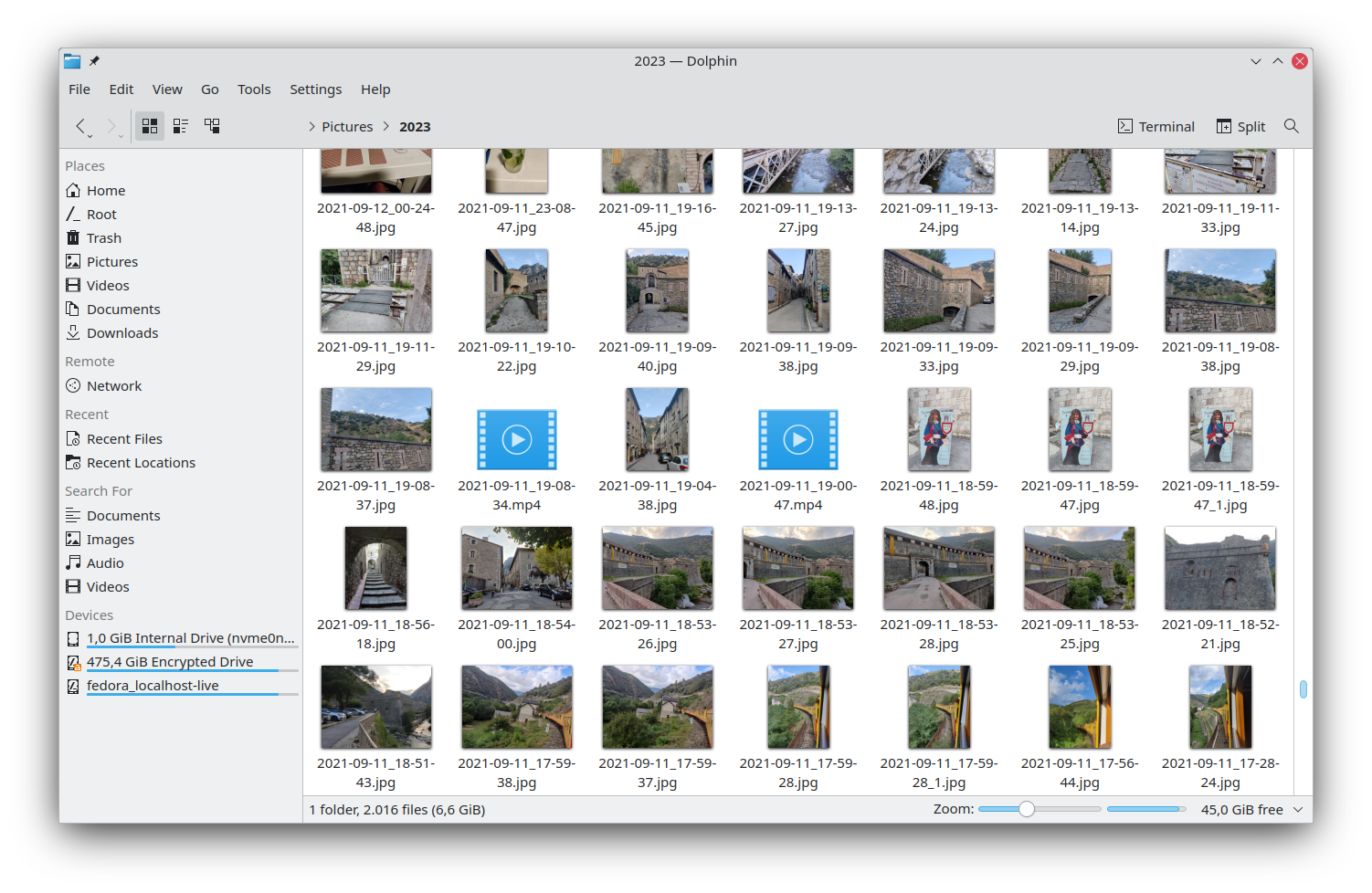
KDE has this layer of tools that quietly become part of your daily flow. Dolphin feels more capable the more you use it. KRunner becomes one of those things you stop thinking about but use constantly. launching apps, searching files, quick calculations, system actions, it all gets faster through it.
it also feels like KDE assumes you want power features from the start. you don't have to install extra tools for a lot of advanced behavior. most of it is already there.
performance is surprisingly good. it feels lighter than its older reputation suggests. on average hardware it often feels more responsive than expected.

that flexibility is not free. there is a point where everything starts feeling slightly fragmented. not broken, just not perfectly unified. some apps feel slightly different from others. settings are powerful but spread out.
and because everything is configurable, it is easy to overdo it. you tweak one thing, then another, then another. eventually you end up with a system that is very personal but also slightly harder to keep stable in your head.
GNOME removes options. KDE multiplies them. that difference shows up everywhere.
this is the part that becomes obvious only after switching a lot.
with GNOME, you stop thinking about your system. it fades into the background. you open what you need and continue working. the system feels like it is trying not to interrupt you.
with KDE, the system stays slightly visible in your mind. there is always something you could adjust or improve. sometimes that is fun, sometimes it pulls you away from what you were originally doing.
GNOME reduces decisions. KDE increases them. and that changes your daily rhythm more than you expect.
GNOME feels like a very opinionated system. it decides a lot for you, and if you follow its flow, everything feels smooth and consistent. it is minimal in a way that feels intentional, not empty.
KDE feels like a familiar desktop on the surface, especially if you come from Windows. but underneath that familiarity, it is much deeper and more flexible. it starts simple, then expands as you explore it.
GNOME is closer to a guided experience. KDE is closer to a customizable environment.
after enough switching, patterns become obvious. GNOME is what i use when i want focus and less mental overhead from the system itself. KDE is what i use when i want control, when i feel like adjusting everything to match how i think.
GNOME feels like stepping into a finished, quiet space. KDE feels like stepping into a space you can redesign whenever you want.
sometimes i miss KDE while using GNOME. sometimes KDE feels like too much work when i just want to get things done.
there is no real winner here. both work well, both are usable, and both are mature enough that the choice is no longer about capability.
it becomes more about preference. whether you want a system that stays out of your way or a system that gives you control over everything you see.
and the interesting part is you can always switch. and every time you do, it feels just different enough to make you notice how you work again.